
Parliament’s Director of Legal and Compliance Services, Solomon Kirunda, has told members of the 12th Parliament that legal counsel exists to protect the House from procedural mistakes, not to slow down committee work.
Addressing MPs during the ongoing induction seminar, Kirunda said legal advisers play a preventive role that helps Parliament avoid litigation and reputational damage arising from flawed processes.
“Legal counsel is not there to slow down committee work. It exists to protect Parliament from avoidable legal mistakes,” he said.
He explained that lawyers attached to committees help legislators understand the legal implications of their inquiries, guide questioning of witnesses, and ensure proceedings comply with rules of procedure, parliamentary privilege and principles of natural justice.
“Legal counsel helps committees understand the legal implications of their inquiries, prepare members to question witnesses, and ensure proceedings respect rules, privilege, and natural justice,” Kirunda said.
Kirunda cited the case of Steven Henry Mwanje v. Attorney General as an example of how procedural lapses can invalidate parliamentary decisions.
In that case, a parliamentary committee recommended Mwanje’s dismissal without granting him a fair hearing and without staying within its mandate.
The High Court later found the process procedurally unfair, in breach of natural justice, and annulled the resolution.
He warned that even well-intentioned decisions can collapse if due process is not followed.
“A committee may strongly believe it is doing the right thing, but belief alone is not enough. If the process is unlawful, even a well-intentioned decision can collapse in court,” he said.
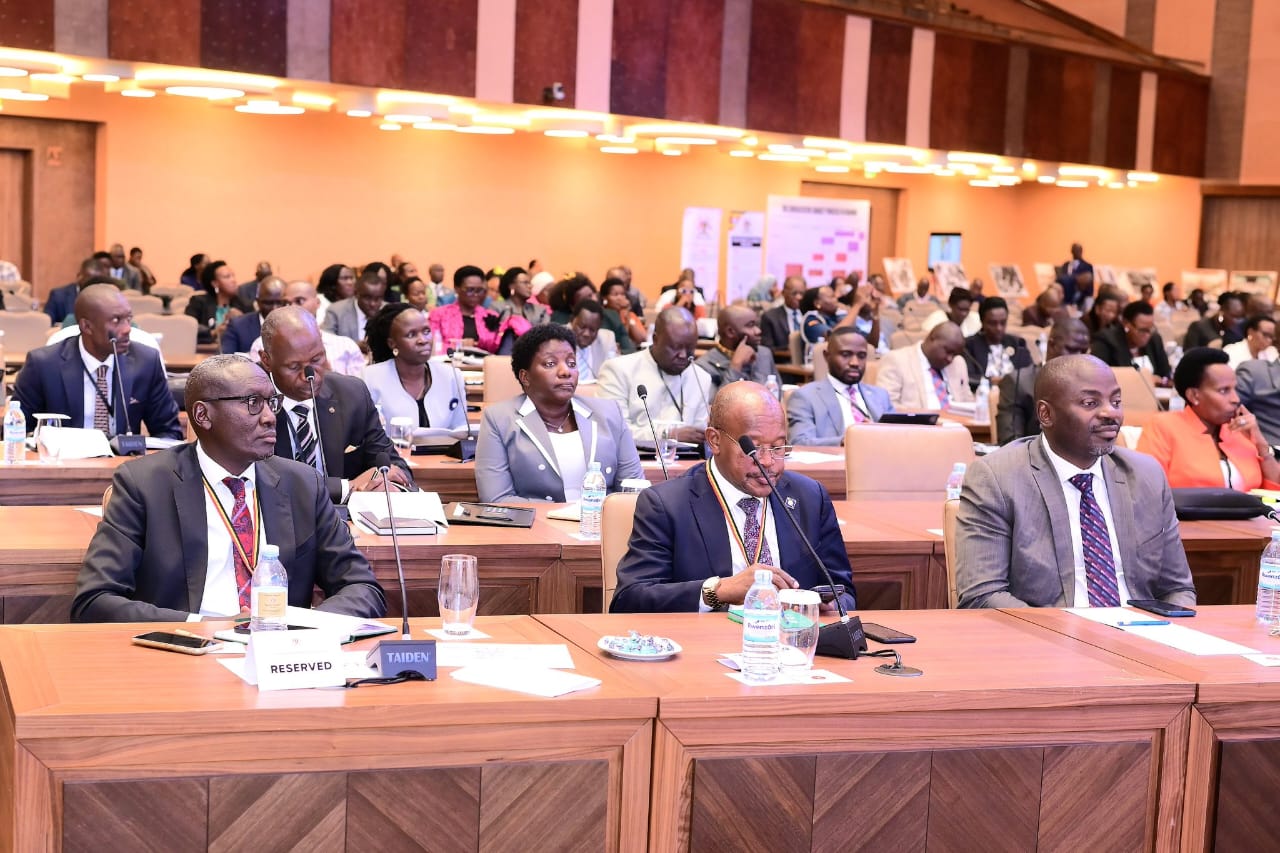
The presentation formed part of an induction programme aimed at equipping MPs with legal and procedural tools to support effective legislation and oversight while minimising avoidable litigation.
